Lion in Line Style Big African Cat Draw
First Impressions of the Lion Design
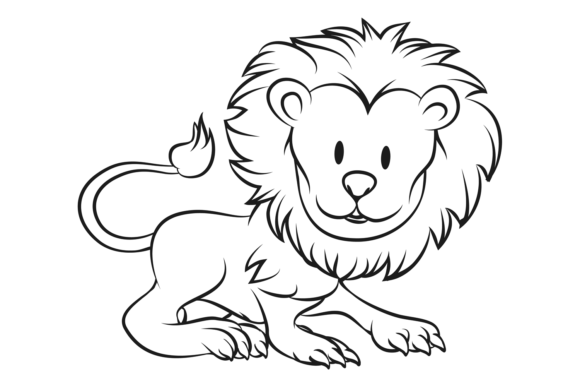
When I first saw Lion in Line Style. Big African Cat Draw, I was immediately drawn to its bold, clean lines and strong visual presence. This design feels powerful yet minimal, which makes it versatile for a wide range of embroidery projects. The lion is rendered with a confident, almost stylized simplicity that captures the essence of the animal without being overly detailed. It has a modern, graphic feel that works well with both contemporary and traditional embroidery styles.
The line art style gives the impression of strength and majesty, making it ideal for custom apparel or personalized gifts. It's not too busy, so it doesn't overwhelm the fabric, but it still holds attention. The white background on which the lion is isolated suggests it's designed to be used as an applique or overlay, which opens up many creative possibilities for application.
Real-Life Scenario: Embroidering a Custom Tote Bag
Let’s imagine using this design for a custom embroidered tote bag. The lion’s simple form would translate well into a large hoop size, allowing for clear definition and crisp lines. I can see this design working beautifully on a natural canvas tote, especially when paired with earthy thread colors like deep browns or rich golds. The negative space around the lion helps balance the composition, preventing it from looking too heavy or cluttered.
If we were to use this on a smaller item like a patch or cap, the same line quality would hold up well, though I'd need to ensure that the stitch density is adjusted for the smaller scale. For a cap, I’d recommend testing it on a scrap piece of fabric first to see how the lines translate under tension and whether any parts might get lost in the stitching process.
Where This Design Shines Best
Lion in Line Style. Big African Cat Draw is particularly suited for projects where a strong, recognizable image is needed without overwhelming detail. Think about custom apparel like sweatshirts, t-shirts, or even baby clothes—this design could work as a subtle yet meaningful addition. Its clean look also makes it great for handmade products such as pillow covers, aprons, or kitchen towels, especially if they're intended for a boutique or craft fair setting.
This design would also be a solid choice for holiday gifts or wedding presents—it’s versatile enough to fit into various themes while maintaining a sense of elegance and power. For Etsy sellers or small shop owners, this could be a go-to design for personalized gifts or embroidered patches that stand out in a sea of generic options.
Considerations for Use
While this design is visually striking, there are a few areas where extra care should be taken. On small hoop sizes, the lion may lose some of its impact, so it’s best suited for larger projects. When using it on textured fabrics or thin materials, a good stabilizer is essential to prevent puckering or distortion. Similarly, stretchy fabrics like knits will require additional planning to ensure the design maintains its shape after stitching.
For dark fabric backgrounds, you’ll want to test thread color contrast carefully to make sure the lion remains visible. If you’re planning to use it on layered garments or curved surfaces like caps, consider how the design will sit in relation to the contours of the item. Also, be mindful of dense stitch areas—they can cause the fabric to stiffen, which may affect the overall drape or comfort of the finished product.
Design Impact and Practical Notes
The visual appeal of this design is strong, and it can elevate the product value of any handmade item it’s applied to. Whether it's a custom apparel piece or a personalized gift, the lion adds a touch of character and symbolism that can resonate with customers. This kind of imagery also helps build brand consistency for craft businesses or digital product sellers who want their designs to stand out.
As a designer, I always recommend testing the design on scrap fabric before committing to a full project. Check how the stitch density affects the texture and whether the line work holds up under different lighting conditions. Reviewing the embroidery file for potential issues like overlapping stitches or inconsistent spacing can save time and effort later on.
Also, don’t forget to inspect small details—especially if you plan to use this as part of a larger printable mockup or digital embroidery file. Ensuring that the thread colors match your vision and that the design works well on both light and dark fabric backgrounds is key to achieving professional results.
Lastly, if you're considering selling this as a commercial embroidery asset or including it in your design assets portfolio, be sure to confirm the licensing terms before proceeding. This will help protect your business and ensure compliance with any usage restrictions.