Retro Cat Embroidery Design Review
A First Look at Retro Cat
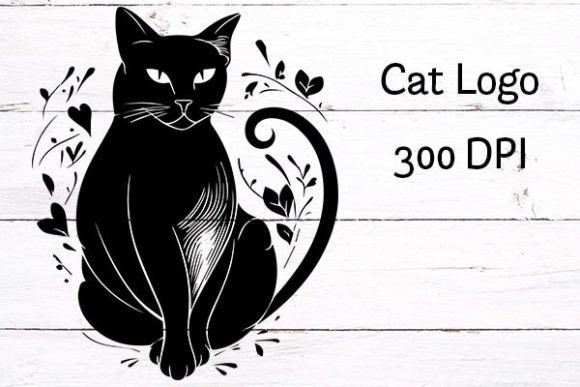
When I first opened the Retro Cat embroidery design files, I was immediately drawn to its nostalgic charm. The design feels like a throwback to simpler times, with a playful yet refined aesthetic that's perfect for a range of handmade projects. The cat is rendered with a soft, curving silhouette and expressive eyes that give it a friendly, approachable vibe. It’s not overly detailed, which makes it versatile for different fabric types and embroidery techniques.
The layout is balanced, with enough negative space to allow the design to breathe without feeling cluttered. This makes it an excellent candidate for both small and large-scale embroidery applications. The visual personality of Retro Cat leans toward whimsy, making it ideal for personalized gifts, boutique branding, or even commercial embroidery products aimed at a younger demographic.
Real-World Application: A Custom Tote Bag Project
I decided to test Retro Cat on a custom embroidered tote bag project. My goal was to see how well the design translates from digital files to actual fabric. I used a medium-weight cotton canvas, which is a common choice for tote bags, and opted for a hoop size that would accommodate the full design without stretching or distorting the image.
The SVG file imported seamlessly into my embroidery software, and I was able to adjust the stitch density to ensure even coverage without overcrowding the design. The satin stitch around the cat’s outline gave it a polished look, while the fill stitches inside added depth and texture. The running stitch details in the whiskers and ears were subtle but effective, giving the design just the right amount of character.
After stitching, the final result was charming and eye-catching. The retro feel of the design complemented the natural texture of the canvas, and the colors stood out nicely against the neutral background. I can imagine this design being a hit on items like tote bags, aprons, or even baby onesies—perfect for Etsy sellers or small shop owners looking to add a touch of nostalgia to their product line.
Where to Use Retro Cat with Caution
While Retro Cat is a versatile design, there are certain situations where it may require extra attention. For example, if you're working with very small hoop sizes, the details might be lost or appear cramped. Similarly, when using it on stretchy fabrics like knits or thin materials, it's important to use a proper stabilizer to prevent puckering or distortion.
The design also doesn’t perform as well on dark-colored fabrics unless the thread colors are carefully selected to provide good contrast. If you're planning to use Retro Cat on layered garments or curved surfaces like caps, testing it on scrap fabric first is essential to ensure the placement and scale work well.
Additionally, if your project involves frequent washing, consider the durability of the stitches and the type of fabric used. While the design itself is clean and easy to stitch, the long-term performance on wash-and-wear items should be evaluated based on the fabric and thread choices.
Design Considerations for Craft Businesses and Etsy Sellers
For those selling handmade products or digital embroidery files, Retro Cat has strong potential as a design asset. Its retro appeal can attract customers looking for unique, vintage-inspired items. As a machine embroidery design, it works well for both personal and commercial use, provided the licensing terms allow for such applications.
One thing to keep in mind is the need for clear branding and consistent design language. If you're incorporating Retro Cat into a larger collection of designs, ensuring that the style and color palette align with your brand identity will help maintain a cohesive look across all products.
Testing the design on different backgrounds—both light and dark—can also help determine its versatility. Creating printable mockups or digital previews will allow customers to visualize how the design will look on various items before purchasing.
Practical Embroidery Designer Notes
If you're considering using Retro Cat in your next project, here are a few practical tips:
- Test on scrap fabric first to evaluate stitch coverage and detail clarity.
- Check thread color contrast to ensure visibility on your chosen fabric.
- Review stitch density to avoid overcrowding or under-stitching.
- Confirm hoop size and adjust the design accordingly.
- Inspect small details like whiskers or eyes to make sure they translate well when stitched.
- Test in black and white mockups to assess how the design performs on different backgrounds.
- Use proper stabilizer especially on stretchy or thin fabrics.
- Check licensing before selling finished items or digital products.
By following these steps, you’ll be able to get the most out of Retro Cat and ensure that your finished product meets both your creative vision and your customer’s expectations.
Final Thoughts on Retro Cat
Retro Cat is a delightful addition to any embroidery designer’s toolkit. Its nostalgic charm, clean lines, and adaptable style make it a great fit for a wide range of handmade and commercial projects. Whether you're creating custom apparel, personalized gifts, or boutique merchandise, this design brings a sense of warmth and character that’s hard to ignore.
As with any embroidery file, it's always wise to test it on different materials and settings before committing to a large production run. But with a little care and attention, Retro Cat can become a standout feature in your next project—adding a touch of retro flair that customers will love.